
Joel Robertson
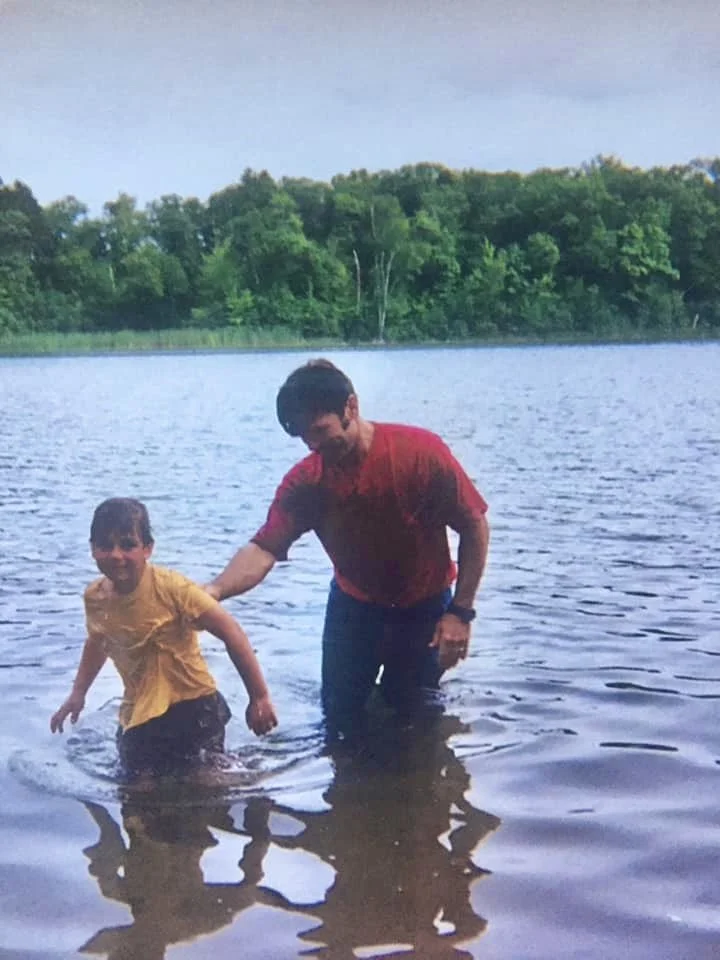
I grew up in the evangelical house church movement, baptized by my Dad at age 7. My parents were devoted followers of Christ who led me and my brothers in daily prayer, scripture, and lessons about the heroes of our faith. Once or twice a week we'd gather in a living room, singing praise songs and reading the Bible.
Our belief was that the capital "C" Church referred only to the invisible gathering of individual believers. Scripture alone was the supreme authority. Any institutional aspect of the Church was thought to be a tradition of man, twisted by the corruption of power. I didn't question it. I had no reason to.
Eventually the house church dissolved, and we began attending a Reformed Baptist church under the pastorship of John Piper. My grandpa's friendship with John led to me being deeply shaped by Reformed theology — which takes a strong stance against Catholicism. Figures like John MacArthur, James White, Jeff Durbin, and Voddie Baucham grew my anti-Catholic sentiments. Not just as a flawed theological system, but as a pagan antichrist church sending all its members to hell.
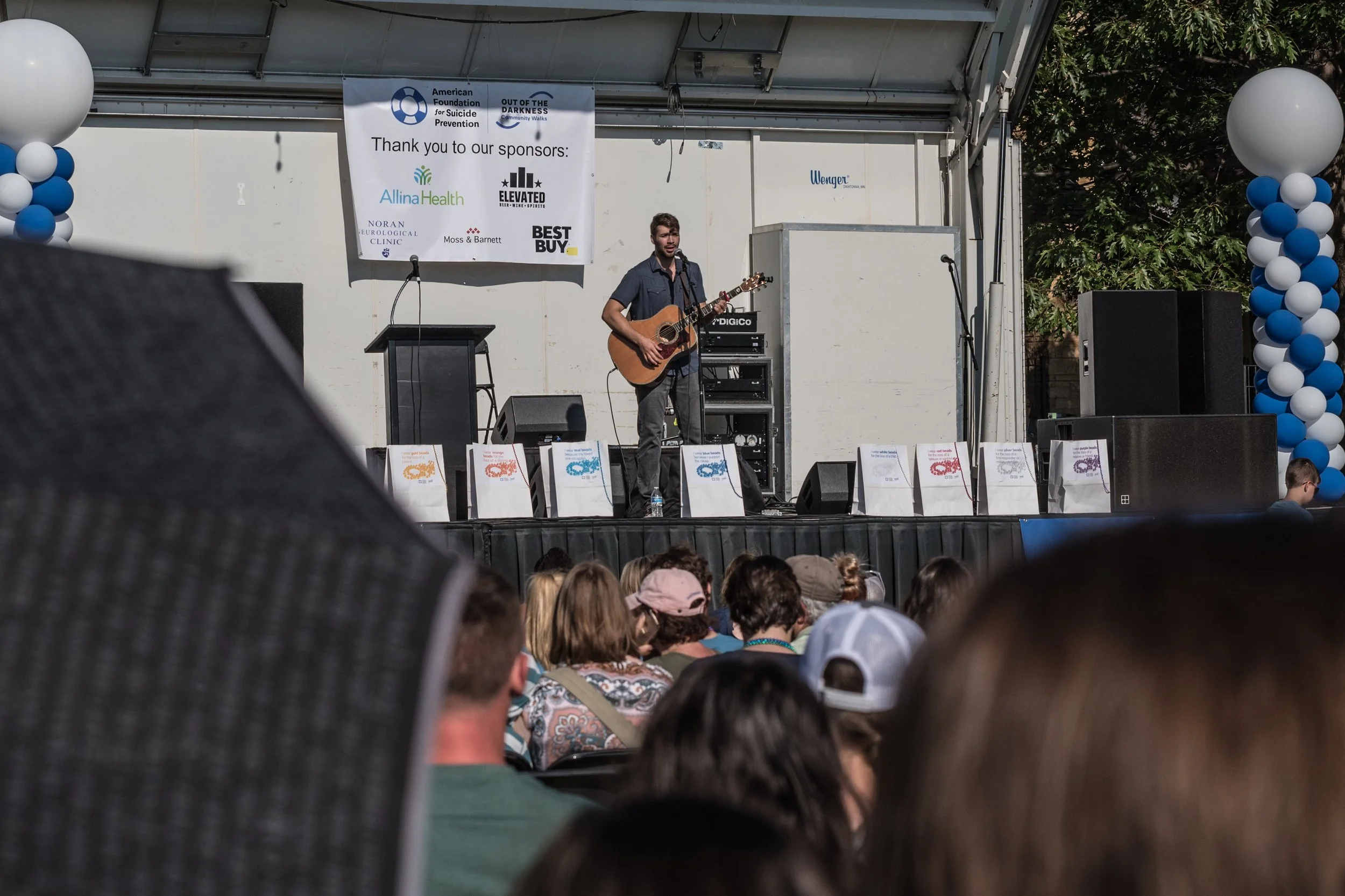
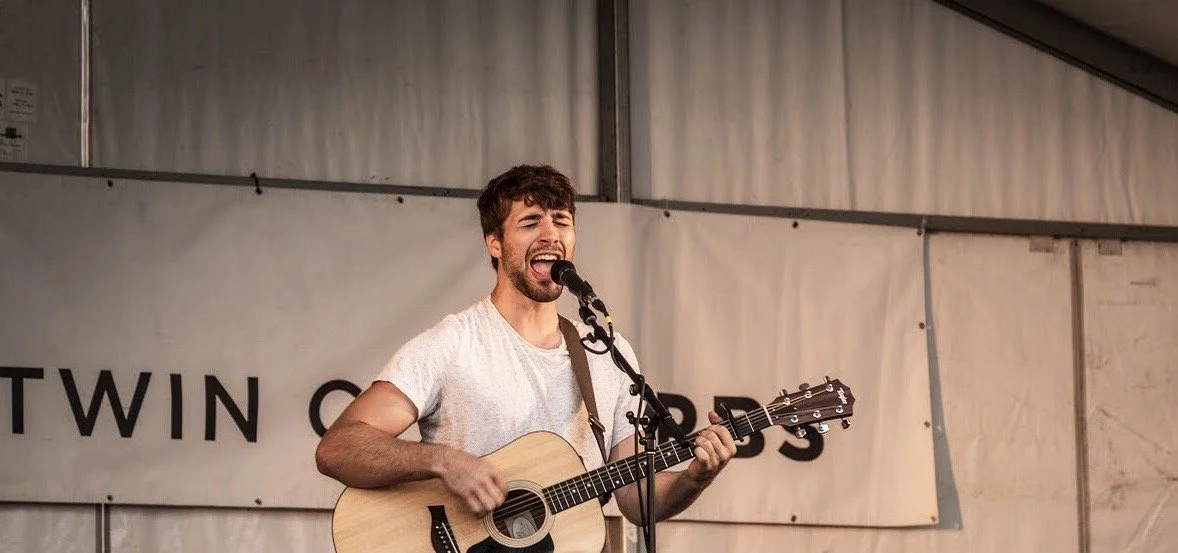
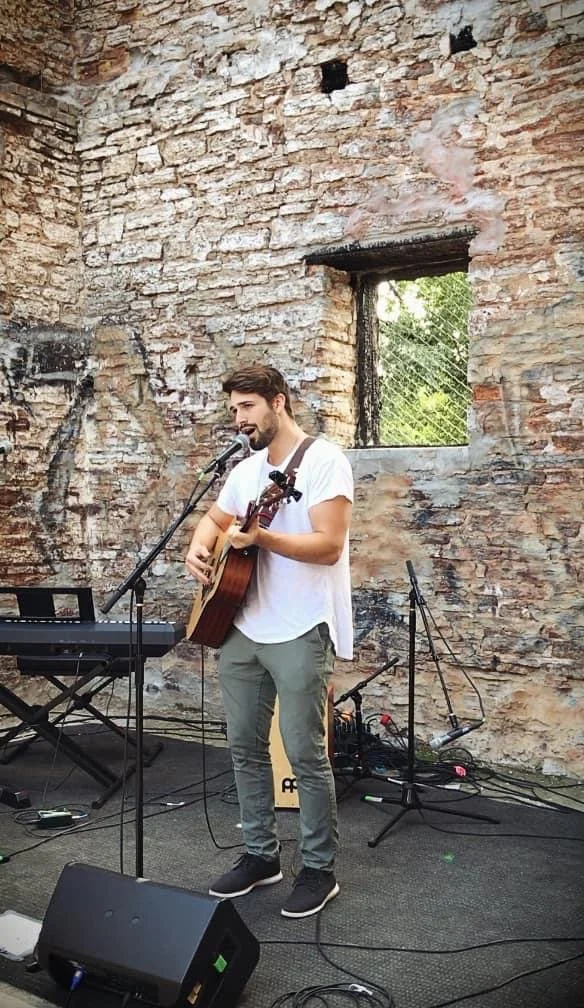
During this time I also faced deep struggles with depression, but was rescued by a miraculous intervention of God. This led me into a music ministry where I toured the country as a Protestant worship leader, playing at every kind of denomination — and experiencing a wide diversity of belief. Not small disagreements, but large, central issues dealing with salvation. That confusion, mixed with hurt from some spiritual mentors, sent me into serious doubt. For about a year and a half, I wrestled with whether God even existed.
Then I stumbled across a debate between Catholic apologist Trent Horn and agnostic atheist Alex O'Connor on the problem of suffering. Horn's arguments — rooted in thinkers like St. Thomas Aquinas — were the strongest I had ever heard. My faith returned, but now with a burning question: if Jesus established one Church and one gospel, why do Christians disagree on both, and whose perspective is right?
I started with Catholicism expecting to scratch it off the list. I was wrong. Every debate I watched left the Protestant case feeling flimsy. I began defending Catholic positions against strawmen — not because I believed them, but because I hated seeing fellow Christians misrepresented. Until one day I realized I had no reason to reject them.
The first Protestant belief to fall was sola scriptura. And without it, I couldn't remain Protestant.
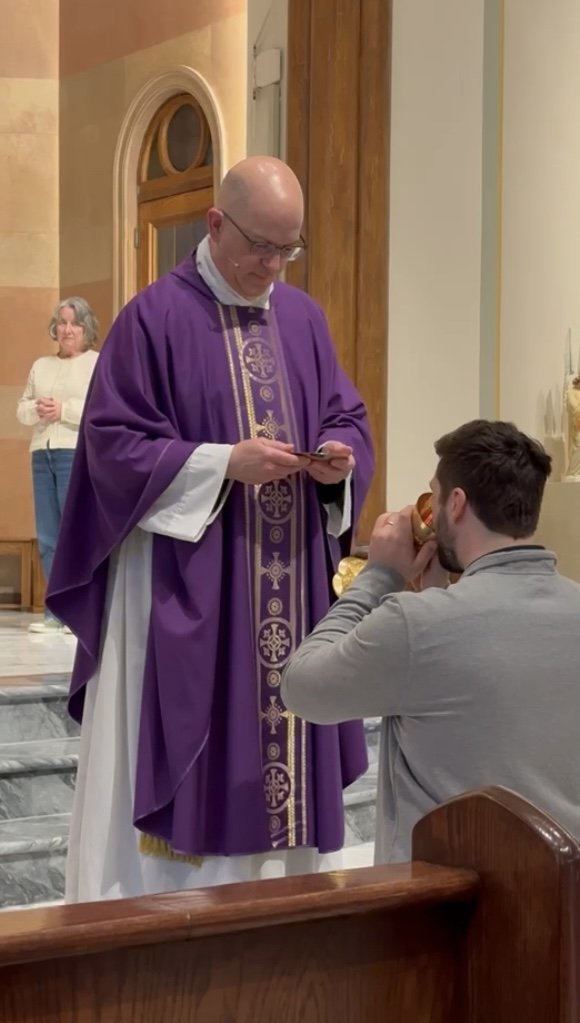
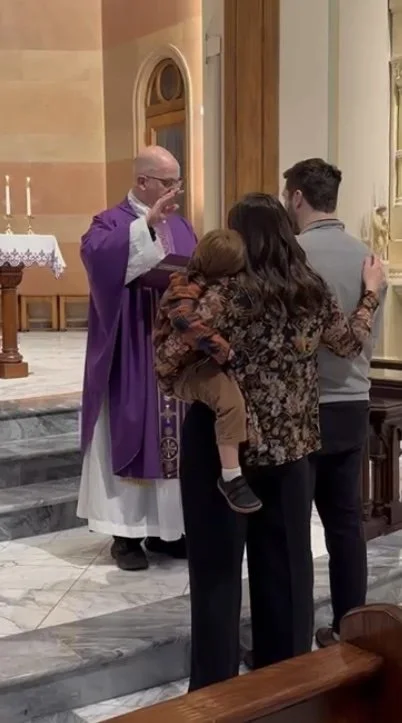
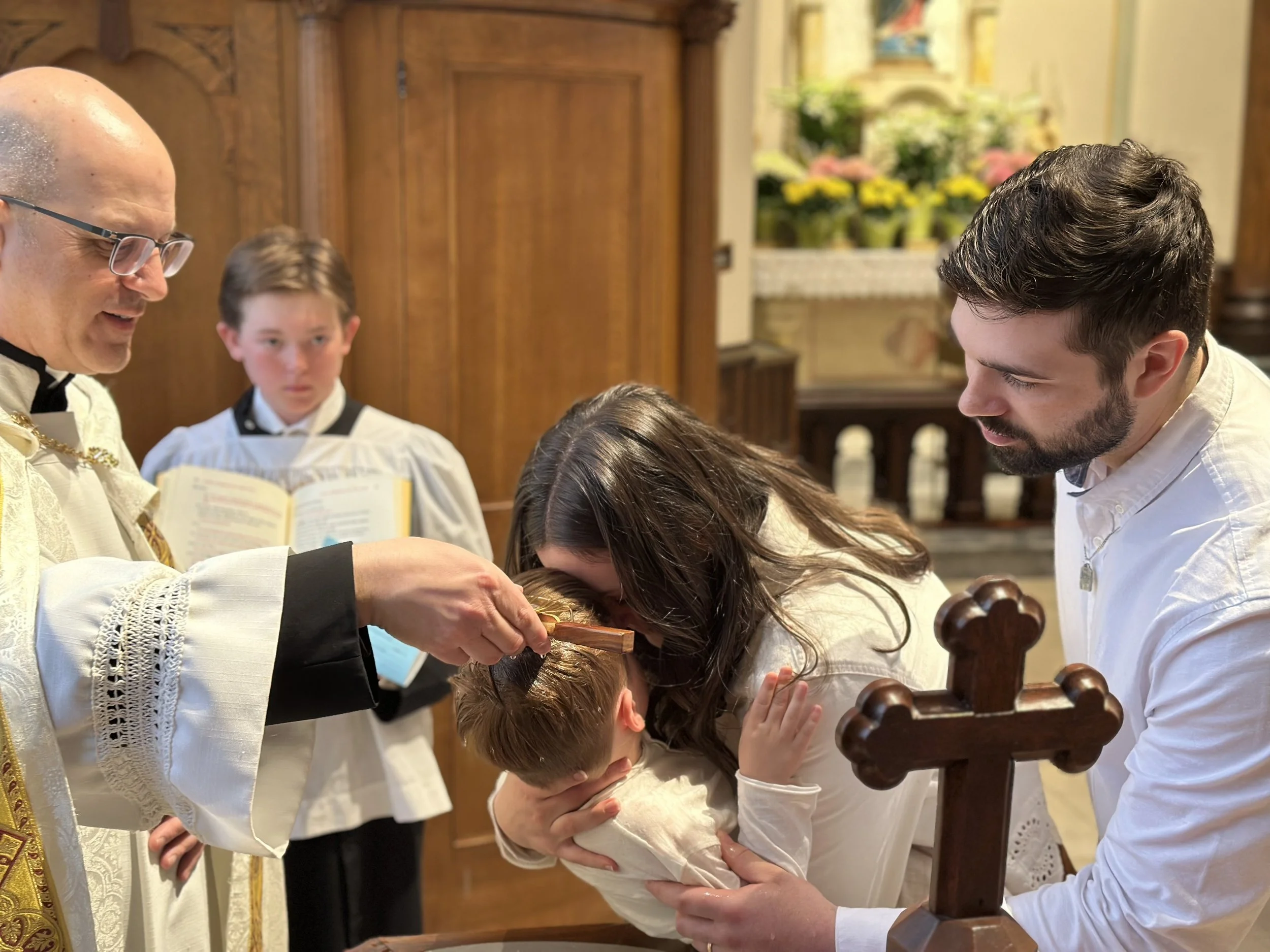
After two years discerning between Catholicism and Orthodoxy, I came home — alongside my wife, who reverted with me, and the baptism of our two sons. Coming to Catholicism was like discovering the missing pieces of a great tapestry. It gave color to an otherwise black and white world. It was God's story, and I was a part of it.